This technology uses a special type of laser to cut very closely spaced grooves of varying depths into any type of support or surface. Images, logos, text or identification codes can be superimposed on top of the engraving, where they will take on new colours when viewed from different angles. Often confused with holograms, these images are very difficult to replicate. A major advantage of this technology is that the marking is inseparable from the product and is therefore very difficult to tamper with.
Used for
Authentication
Tracking/Tracing
Suitable for
Very small products
Small products
Medium-sized products
Large products
Goes on
Product
Packaging
Can be used for
Physical products
Visibility
Visible
Reading device needed
No
Connection to server
No
Description
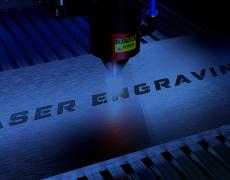
There are three main laser engraving techniques:
- annealing – also known as laser surface stamping, which marks ferrous metals and titanium by heating the surface and causing oxidation underneath, discolouring the metal in the shape of the marking;
- real laser engraving – a technique that removes material from the surface of the product in the shape of the marking (this is especially used for metals, plastics and ceramics);
- deep laser marking – a highly specialised procedure whereby markings are performed at a specified depth in the surface of the product (which is usually made of metal).
Uses
Laser incisions can be made on a wide range of different materials: paper and paperboard, labels, leather, film, rubber, foam, wood, fabrics, PET, PVC, glass, stone, iron, nickel, steel, stainless steel, aluminium, electrical components, etc.
Implementation
Given the diversity of factors involved in laser engraving – type of product to mark, material and engraving technique – it is difficult to give specific implementation requirements here. However, it can be said that considerable changes would need to be made to the production process.
Cost
There are also quite significant costs associated with laser engraving, although they will depend on the particular context, material and technique used.